La Prensa News Desk
The Publisher of La Prensa San Diego has filed a lawsuit against the City of Chula Vista for systematically violating the California Public Records Act by delaying the release of documents required by law to be released.
Arturo Castañares, a lifelong Chula Vista resident, filed the lawsuit on March 2nd after waiting for responses from the City on seven requests he made under the CPRA. The oldest request is from June 7, 2025.
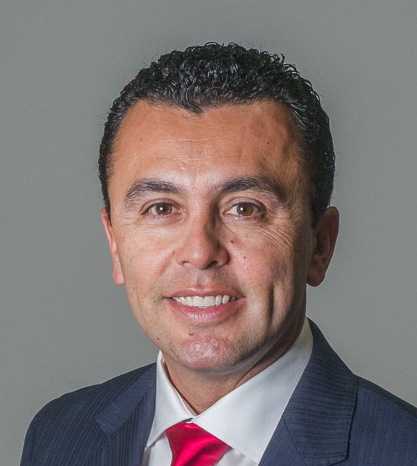
Arturo Castañares
Under the California Public Records Act, public agencies have 10 days to make a determination as to whether they have responsive documents, and, under limited circumstances, when the search would require looking through “voluminous” records, an agency can extend the determination period for an additional 14 days before releasing available documents.
In June, Castañares requested videos recorded by the Chula Vista Police Department’s unmanned drones, which are used to respond to police calls. Castañares requested videos recorded during the month of April 2021. The City has extended the request for consecutive 14-day periods for more than eight months. The City has not provided any videos in response to the request.
In the past two months, Castañares made additional requests for documents, including any complaints filed against Police Chief Roxana Kennedy, who is currently out on medical leave.
The City has unilaterally given itself multiple 14-day extensions without disclosing any responsive records.
Kennedy has been under fire since December when the City Manager, Tiffany Allen, brought up the Chief’s actions during a police union holiday party. During that party, a male police officer was dancing and removed his shirt, then Kennedy playfully approached him and stuffed dollar bills in his pockets.
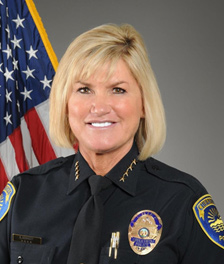
Roxana Kennedy
Although a majority of the City Council members were at the party, including Mayor John McCann and his wife, Councilman Cesar Fernandez and his wife, and Councilwoman Carolina Chavez, no one complained about Kennedy’s actions.
The City Manager, the Deputy City Manager, and the City’s Human Resources Director were also present. No one took any action to stop the party or complain to Kennedy about her interactions with the off-duty officer.
A few days after the party, Allen mentioned to Kennedy that her actions were unacceptable and that at least one video of the event was circulating among staff. Allen did not take any official action toward Kennedy at the time.
Then, in mid-January, Allen asked Kennedy to attend a meeting in her office. When Kennedy arrived, HR Director Tanya Tomlinson was in the room, and Allen told Kennedy to take a week to create a plan to deal with the “fallout” from the party. Allen also told Kennedy the City would hire an auditor to review the Department.
After the meeting, Allen followed up with an email documenting the meeting.
Kennedy took leave time the next day to deal with medical issues, and rumors began to circulate within the City that Kennedy was being forced to retire.
La Prensa San Diego posted a social media message on January 29th, citing that Kennedy was out on leave and would not return to work, citing sources that said “Kennedy will announce her retirement soon.”
The post set off alarms within the City, with many thinking Castañares was behind the move to oust the police chief in retaliation for having fought his police drone lawsuit, but, in fact, La Prensa San Diego was only reporting information from several reliable sources who claimed the Chief was being forced out by the new City Manager with at least the tacit support of a majority of the City Council. At the time, La Prensa San Diego did not publish any claims of involvement by Councilmembers.
On February 6th, San Diego attorney Cory Briggs sent a letter to the City on behalf of Kennedy, stating his firm was retained to “investigate, and if necessary, prosecute claims related to her employment.” The letter asked the City to preserve any records “regarding the allegations that the Chief has been subjected to improper discipline, retaliation, discrimination, and/or hostile work environment.”
Last Tuesday, the City Council held a closed session meeting to discuss legal issues. An item on the agenda, titled “Potential Litigation,” cited “Receipt of Claim pursuant to Tort Claims Act or other written communication threatening litigation” by “Cory J. Briggs on behalf of Roxana Kennedy.” Under state law, a government agency can only discuss items in closed session that have been properly noticed in a public agenda.
Just hours after that closed session meeting, Kennedy received a late-night email from Human Resources Director Tomlinson notifying the Chief that the City had engaged an outside investigator to “conduct an administrative investigation involving allegations against you by multiple employees that could be cause for discipline, including but not limited to violations of the City’s policy against workplace harassment.”
No item on the closed session agenda mentioned the review of complaints against Kennedy.
On Monday, the City extended a CPRA request Castañares made for any complaints filed against Kennedy, saying it needed more time to search for responsive documents.
The City cited allegations against Kennedy by “multiple employees,” yet has so far failed to disclose any such complaints under the pending public records requests.
Castañares has filed over a dozen lawsuits against local public agencies for violations of the CPRA, including the City of San Diego, San Diego State University, the County of San Diego, and the City of Chula Vista.
Last year, Castañares won a four-year legal battle with Chula Vista after he sued to force the release of videos recorded by the Chula Vista Police Department’s unmanned drones, which are used to respond to police calls.
The City of Chula Vista claimed all police drone videos were exempt from disclosure as investigative records, even if the videos did not show any police activity related to actual investigations. Castañares won the case at the California Court of Appeal, and the City ultimately petitioned the California Supreme Court for review twice. The Supreme Court upheld the case, creating a new statewide legal precedent that expanded the public’s access to police records.
After the end of the case, the City was forced to reimburse the lawyer who handled the case. Cory Briggs was paid over $520,000 in legal fees, in addition to over $720,000 the City paid its own outside legal counsel.
Briggs represented Castañares in that lawsuit.