<p></p>
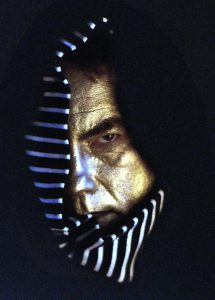
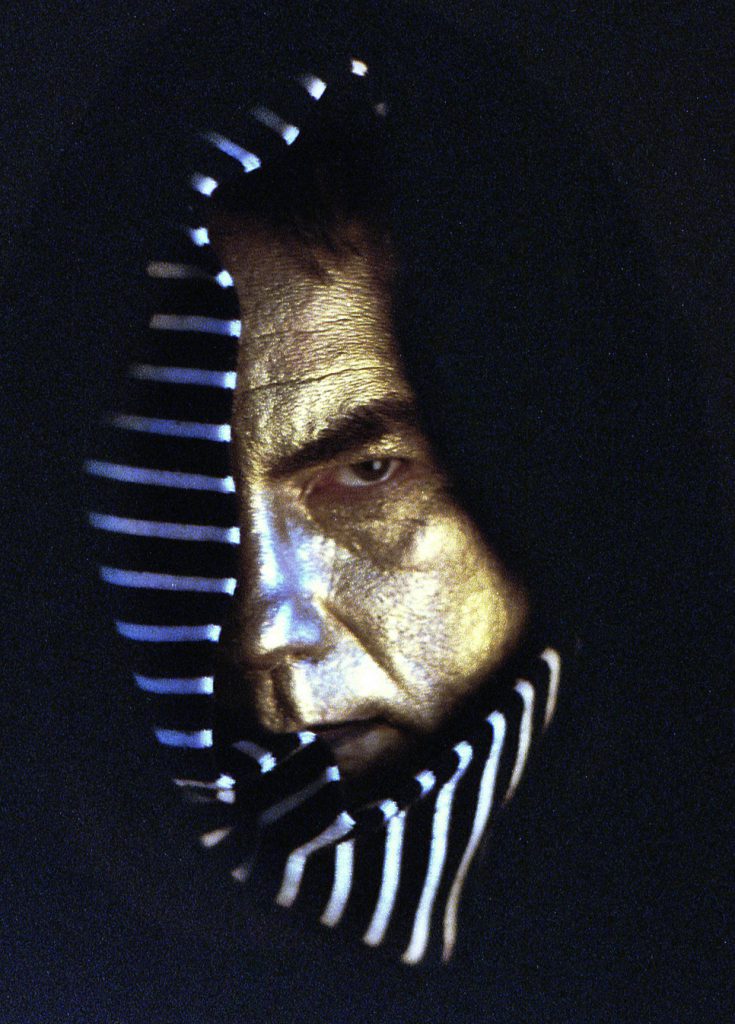
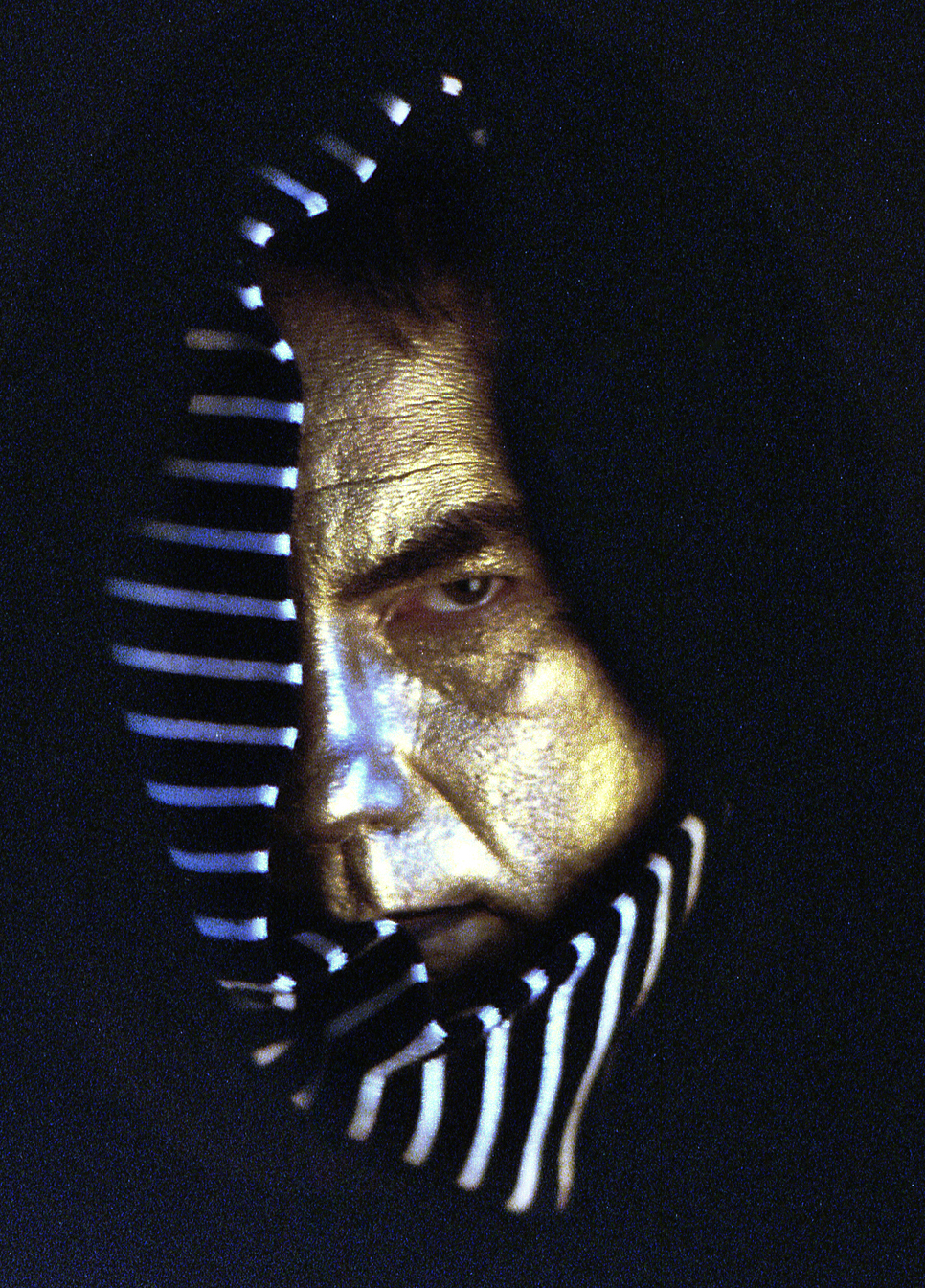
<figure id="attachment_31632" aria-describedby="caption-attachment-31632" style="width: 215px" class="wp-caption alignright"><a href="http://laprensa-sandiego.org/featured/perridoxia-qa-with-artist-perry-v…; rel="attachment wp-att-31632"><img loading="lazy" class="size-medium wp-image-31632" src="https://cms.laprensa.org/sites/default/files/2015/06/perry-215x300.jpg&…; alt="Artist Perry Vasquez. Photo Credit: gumisforlovers" width="215" height="300" srcset="https://cms.laprensa.org/sites/default/files/2015/06/perry-215x300.jpg 215w, https://cms.laprensa.org/sites/default/files/2015/06/perry-735x1024.jpg 735w, https://cms.laprensa.org/sites/default/files/2015/06/perry.jpg 966w" sizes="(max-width: 215px) 100vw, 215px"></a><figcaption id="caption-attachment-31632" class="wp-caption-text">Artist Perry Vasquez. Photo Credit: gumisforlovers</figcaption></figure>
<p>Perry Vasquez works in what he calls the U.S./Mexico border space-time continuum. He occupies a personal mythological space he refers to as Perridoxia, a land of contradictions and illusions.</p>
<p>His wit and tongue-in-cheek approach to exploring everything from border politics to the trepidations of daily life in SoCal make his work both poignant and accessible.</p>
<p>“I’ve always been impressed with how Perry uses humor and pop culture icons to examine important issues such as immigration, labor and surveillance,” said Tyler Stallings, artistic director of Culver Center of the Arts and director of Sweeney Art Gallery, both at the University of California, Riverside.</p>
<p>Tyler has known Vasquez since 1997, when the director first included him in an exhibition called, Are We Touched? Identities from Outer Space. Vasquez’s contribution explored the word “alien” as a double-entendre, referring both to immigration and extraterrestrials.</p>
<p>Tyler gave Vasquez a solo show with his Keep on Crossin’ series, also about immigration, but riffing off R. Crumb’s Keep on Truckin’ characters.</p>
<p>Vasquez began his artistic life as a painter but has made what he calls “experimental excursions into alternative disciplines and media such as performance and film-making.”</p>
<p>He is currently writing and illustrating a project called Movidas Razquaches, a deck of cards for artists to draw upon in the studio when they encounter creative blocks. Radical pedagogue and mentor Guillermo Gomez-Pena will contribute to the project.</p>
<p>“We are thrilled to have his series Movidas Razquaches in our upcoming exhibition (Con)text: Rethinking Language in Art opening on July 25,” said Ginger Porcella, director of the San Diego Art Institute. “Perry Vasquez is a preeminent advocate for the arts and artists in San Diego, and vital in ensuring San Diego is recognized as a viable arts community in a global, contemporary context.”</p>
<p>In 2010, Vasquez formed the Border Corps with musicians, actors, poets and artists from Southern California. Border Corps created nine unique performances dramatizing the conditions of life along the U.S./Mexico border. In 2013, Vasquez began performing as a solo artist.</p>
<p>“In his performances, you definitely get the sense of an artist trying to push the presentation to its own technical and performative boundaries,” said Alexander Jarman, manager of Adult and Community Outreach Programs at the Walters Art Museum in Baltimore, Md.</p>
<p>Vasquez’s next live performance is at the San Diego Art Institute in Balboa Park on June 20. He is about to go on sabbatical, and said he plans to do a lot of painting in the next year. La Prensa posed a few questions to Vasquez about his life and upcoming work.</p>
<p></p>
<p>As a Mexican-American kid who was born in Southern California and relocated to North Carolina at the age of 7 during the ‘60s, I spent a lot of my early years trying to reconstruct my identity. My father’s family was from Chihuahua, Mexico, while my mother’s family was Scots-Irish from the Appalachian mountain region and I, straddling the two, was confronted with many dilemmas. Which group was I going to identify with? Which cultural traditions would I seek to emulate and claim membership in? Would I become interested in abstraction and formalism or would I swerve towards a more anthropological approach to art? When I got to Stanford to do my undergraduate degree, I worked hard at solving these dilemmas and sustained a large dose of art damage in the process — meaning I perhaps began to over-identify with the artist’s perspective.</p>
<p>Moving back to San Diego was also a big part of my development. Not only did it put me back in touch with family roots, it put me in proximity to the border, which has proven to be the source of many creative dilemmas. Overall, I willed myself to change into a more socially conscious and engaged artist and person by consciously taking risks over the years.</p>
<p><em>How do you differentiate your work from other artists?</em></p>
<p>I don’t think of myself as being different. I think of myself as working in a genre along with many others who are working the same beat. I think of myself as a part of a larger community sharing similar interests and concerns, with whom I want to communicate. Cultural development happens slowly over time, thanks to the contributions of many artists. You never know how history will frame the narrative of your work and life after your soul has flitted off to the underworld. … My goal is to construct a body of work that makes sense to me and to the audience I have developed. Maybe one day it’ll communicate to future generations.</p>
<p><em>Tell me about teaching art. Do you have a teaching style?</em></p>
<p>Teaching art is funny. It’s very subjective. Some people say, “Yes! Subjectivity, creativity, freedom, point of view, great!” But in reality, students in foundational courses, which is what I mostly teach at the community college level, don’t want too much freedom. They want a certain amount of rigor and skill-based learning. So I developed a method for teaching based on the Five Animals Kung Fu fighting styles. Each animal equates to a learning style and each animal has a technique assigned to it just like in the martial arts. Grasp the Dragon’s Tail is a technique for controlled shading. You hold the end of the pencil and wiggle it back and forth so the pencil emulates a dragon caught by its tail. By basing these skills in animal behavior and by encouraging students to identify with particular animals, one also avoids over-rationalizing the art process by focusing on the innate connection everyone has with the natural world.</p>
<p><em>What’s the most challenging part of being an artist?</em></p>
<p>For young artists, living through the years of a legitimation crisis can be tough. You always feel like you do your best work early, but somehow it doesn’t seem to get noticed the way you think it should. As a mature artist, staying true to your vision and keeping focused is very challenging. I get easily distracted, and if not careful I can end up with a trail of unfinished projects.</p>
<p><em>Any key influences?</em></p>
<p>The best influences come from people you know and love personally, not just the ones you read about in books or admire from afar. Because then you can see up close the connection between their ideas and how they live their lives. A close friend of mine, Doris “Boris” Berman, recently passed away. She was an Austrian born … art queen who did multimedia performance, photography and painting. I learned a lot from her about what the model for an “underground” artist should be. She moved easily back and forth across different media, carried herself with fierce dignity and attacked life with passion that could be overwhelming.</p>
<p>After I got the news of her death, which was a shock, I was in Guitar Center browsing the used guitar wall when I came across this beautiful black and white Richmond Dorchester. I picked it up and played it for a half hour. I could actually feel the guitar come alive with Doris’ spirit. So I brought it home and named it Doris Boris Guitar. It’s no longer just a guitar. It’s a reliquary for her spirit.</p>
<p><em>Why should people experience your work? Any upcoming projects/events you want to highlight?</em></p>
<p>People should come experience my work if they are curious about the effects of schizophrenia on the arts.</p>
<p>I’ll be performing at Poetry & Art at the SDAI on June 20. It’ll be my debut with Doris Boris Guitar. She’ll provide the electronic noise while I provide the spontaneous production of visual detritus.</p>
<p><em>Klam is a San Diego-based freelance writer. Updated on 6-24.</em></p>

Category