The future of our water
By Eduardo Stanley
FRESNO
— The topic worries everyone: is the water running out? How much will it cost to purchase a gallon of water in a few years? In order to answer a few of these questions, a conference was organized recently by The Water Consortium, “Water Forum: Facts vs. Fiction” at Fresno City College.
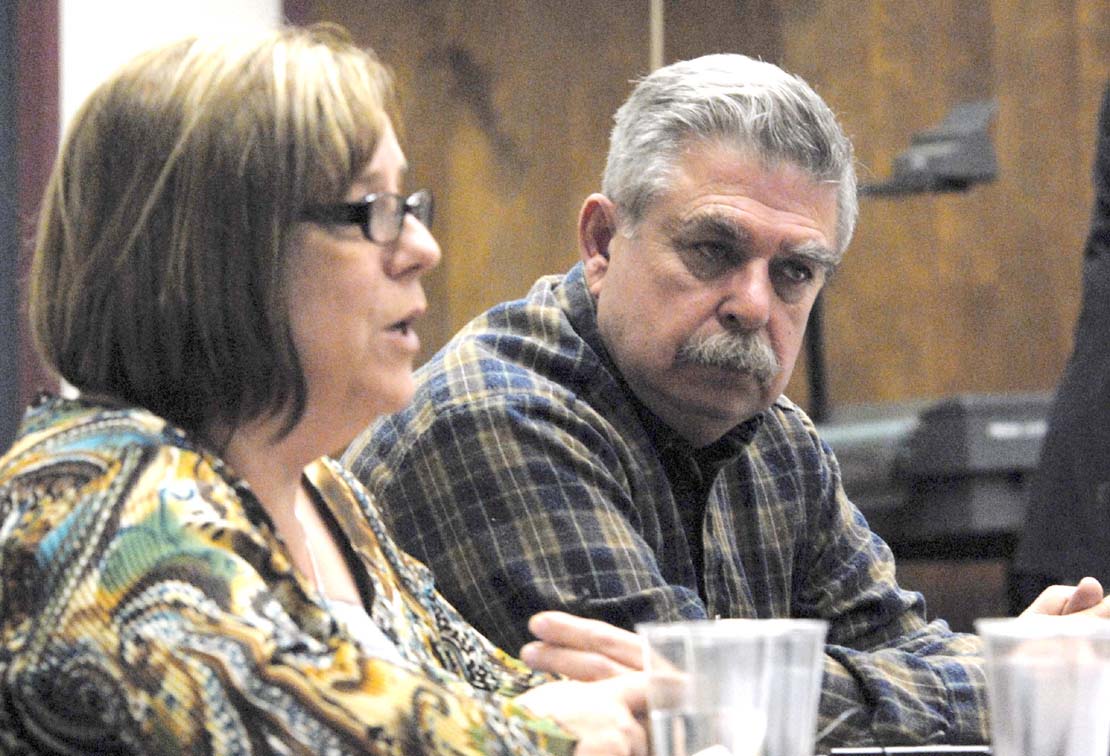
At the end of the day, a debate took place over the initiative, “Water bond proposition 2010,” that California voters will vote on in November, between Assemblyman Juan Arambula (Independent – District 31) and Barbara Barrigan-Parrilla from the organization Restore the Delta.
This initiative consists of issuing public bonds for $11.5 million to pay for the construction of more canals, storage and dams to control water reserves and to be able to transport it mainly from the north to the south of the state.
“The state’s aquifer infrastructure was put together decades ago when the population was 16 million people, now there are 37 million of us,” said Juan Arambula, who argued in favor of Proposition 2010. “We have to conserve and administer water in a better way.”
For Barrigan-Parrilla, one of the initiative’s most questionable points is the cost.
“Right now, the estimated cost is $11.5 billion dollars, but when you add the interest we’ll end up paying more than $20 billion.”
Besides, she said that barely just one percent of the poor communities will benefit from the proposed work.
Arambula explained that the problem lies in that two thirds of the water comes from the north of the state and two thirds of the population lives in Southern California. For this reason, the water transport canals are very necessary.
Also, a part of the water is designated for agriculture in the Central Valley and even the thirsty Mojave Desert is asking for more water so that it can advance local urbanization and agriculture.
A great part of the water that travels to the south originates in the Delta ‘a confluence of the San Joaquin and Sacramento rivers which arrives at the Pacific, in the Stockton area’, where powerful pumps send the water south via canals. Part of this water is used for agriculture.
“The Delta system is about to collapse and flooding is a real danger,” Arambula said in his support of the construction of new infrastructure.
“Conserving water is crucial, with climate change, it’s possible that the snow in the Sierra Nevada will melt quicker and we don’t have the capacity to store it.”
For those who are opposed to Proposition 2010, the priority is to recuperate natural water sources such as Lake Tulare, since, Barrigan-Parrilla assures, it would be less expensive and more efficient to construct new reserves in the region.
“We’re also worried about the possibility of private investments in these projects because we don’t know who could end up controlling the water.”
The conference included various informative workshops over topics such as “Where does the water go?” “Is it safe to drink water?,” “Water and jobs,” “Water and planning its use,” “Water Conservation” and more. The organizers estimated attendance at almost 200 people and because of the interest that’s been awakened, they promise to organize similar events in other parts of the state.